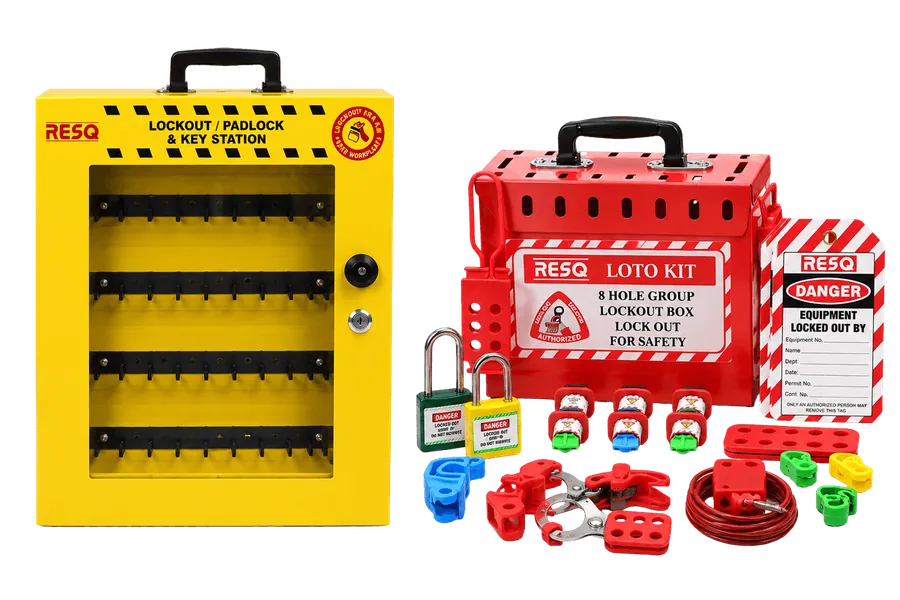
Lockout / Tagout
StockedIsolation kits, padlocks and group lock boxes for maintenance work.
Case study / 001
Faridabad, India · 2025–
Safentity is a wholesale and retail store for industrial safety equipment. This is why I started it, what we have actually built, and where I want to take it.
01 / The opportunity
Every factory, warehouse, construction site, lab and oil terminal has to buy safety equipment. Not once. Again and again.
Gloves wear out. Harnesses get inspected and replaced. Eyewash stations need spares. First aid stock gets used. Fire extinguishers need refilling. A site does not stop needing this stuff because it bought a box last quarter.
It is a repeat purchase category. That is a good place to build a business.
The strange part is how the buying still happens. A safety officer calls a few dealers. Someone sends a PDF rate list on WhatsApp. Another sends photos. Prices are hard to compare because the specs are not comparable. A “full body harness” can mean very different things, and the price alone will not tell you which one you are buying.
The buyer is not shopping for fun. They need the right product, a GST invoice, delivery on time, and someone who picks up the phone when a site needs twenty more helmets by Friday.
Suppliers have the mirror problem. Many make good products but reach buyers through dealers, catalogues and word of mouth. A focused platform could give them demand they cannot easily find on their own.
That gap is the opportunity. Not to invent demand, but to serve existing demand better.
Who this is for
02 / The problem
Safety procurement is not a shopping problem. It is a coordination problem with a product attached.
A buyer might look on a marketplace, call a local dealer, check an e-commerce site and ask in a WhatsApp group. There is no single focused place to see a range with real specifications.
The same category has different standards, materials, sizes and filter types. Most listings do not explain the difference in plain language. The buyer has to already know the answer.
Buyers want to know who they are paying, whether the invoice will pass their accounts team, and whether the product is genuine. A store has to earn that trust on every order.
The same site orders the same gloves every few months. The process often begins with a fresh phone call, a fresh quote and a fresh set of photos.
A safety purchase is not a fashion purchase. The buyer is trying to avoid an accident, an audit finding, or both.
03 / The idea
Safentity is a real business first: a GST-registered supplier with stock, a phone number and a delivery promise.
Put a clean catalogue online. Write the specs in language a buyer can use. Make checkout work. Send the invoice. Answer the phone when something goes wrong. That is the base. A marketplace without the boring parts is just a website.
The long-term idea is bigger: become the default way a company buys safety equipment. Search a deep catalogue, compare specs, get a quote for five hundred units, reorder the same list, and keep the paperwork in one place.
But that only works if the first part is true. Someone has to actually ship the box.
01
Fifteen products done properly are worth more than fifteen thousand listed badly. Depth in a few categories is the plan.
02
A quote, an invoice, a replacement and a phone call are not support. They are the thing the buyer is paying for.
03
Every screen has to save the buyer or the operator time. Adding a login is not progress if the order still needs three calls.
04 / What we sell
The site has eight category pages. Six of them currently hold products: 15 SKUs in total.
Spill and heat protection are live as categories, but I am still building the range. Those pages ask buyers to call for current stock. I would rather do that than list a product I cannot supply.
The catalogue includes RESQ, Karam, Venus, Unicare and Care, plus unbranded stock where that is the honest description. We also work with Udyogi and Thadhani. The wider market has 3M, Honeywell and many local manufacturers. Our range is smaller because a catalogue is only useful if the details are right.
Isolation kits, padlocks and group lock boxes for maintenance work.
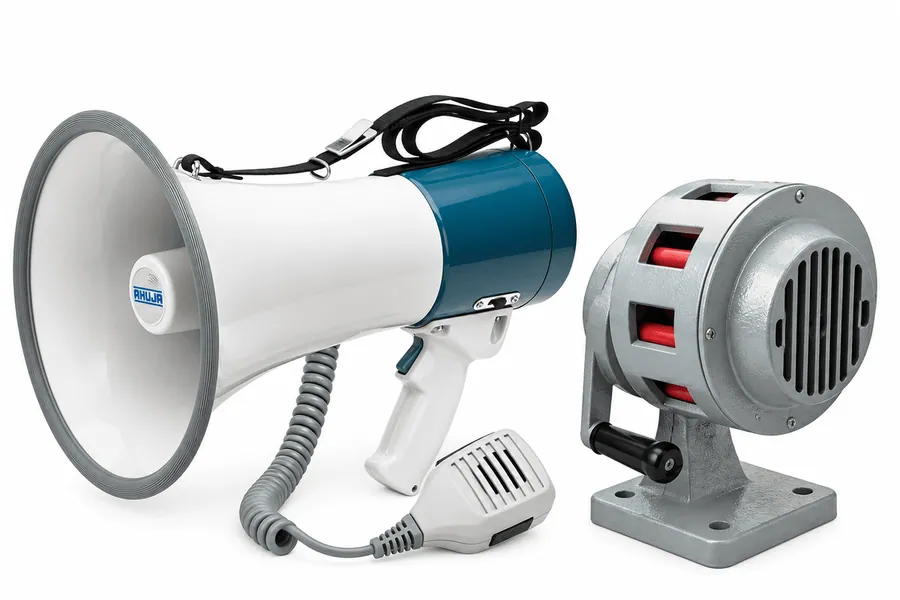
First aid boxes, snake bite kits and everyday site essentials.
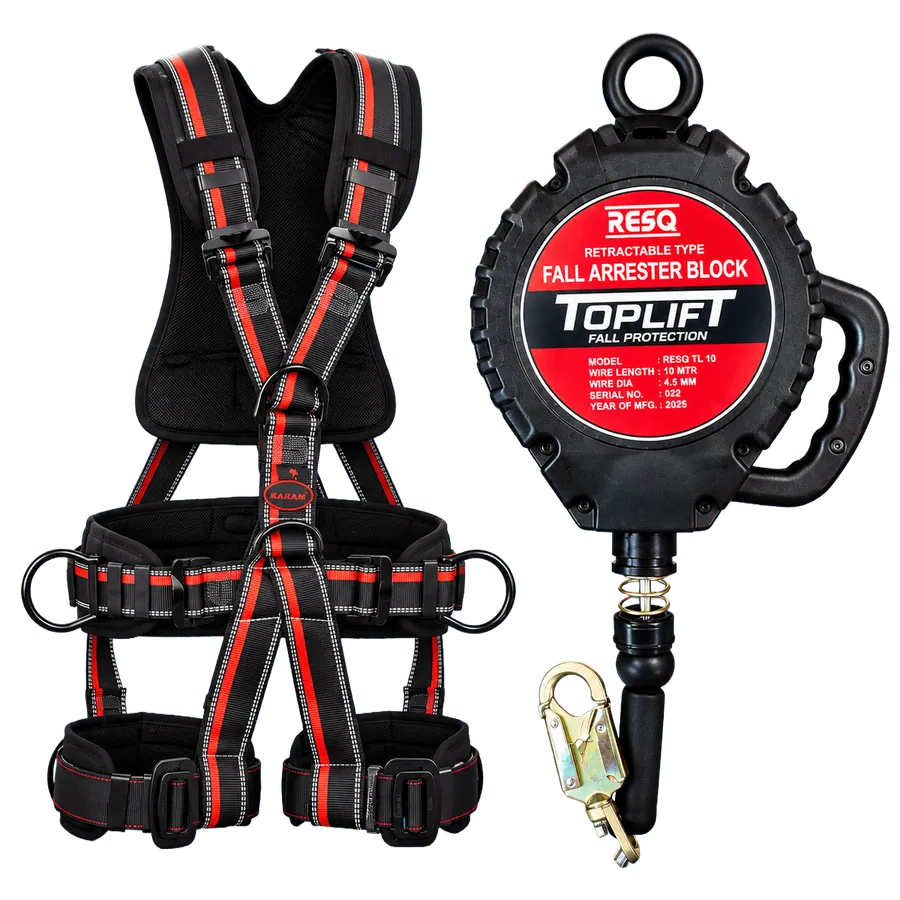
Full body harnesses and retractable fall arresters for work at height.
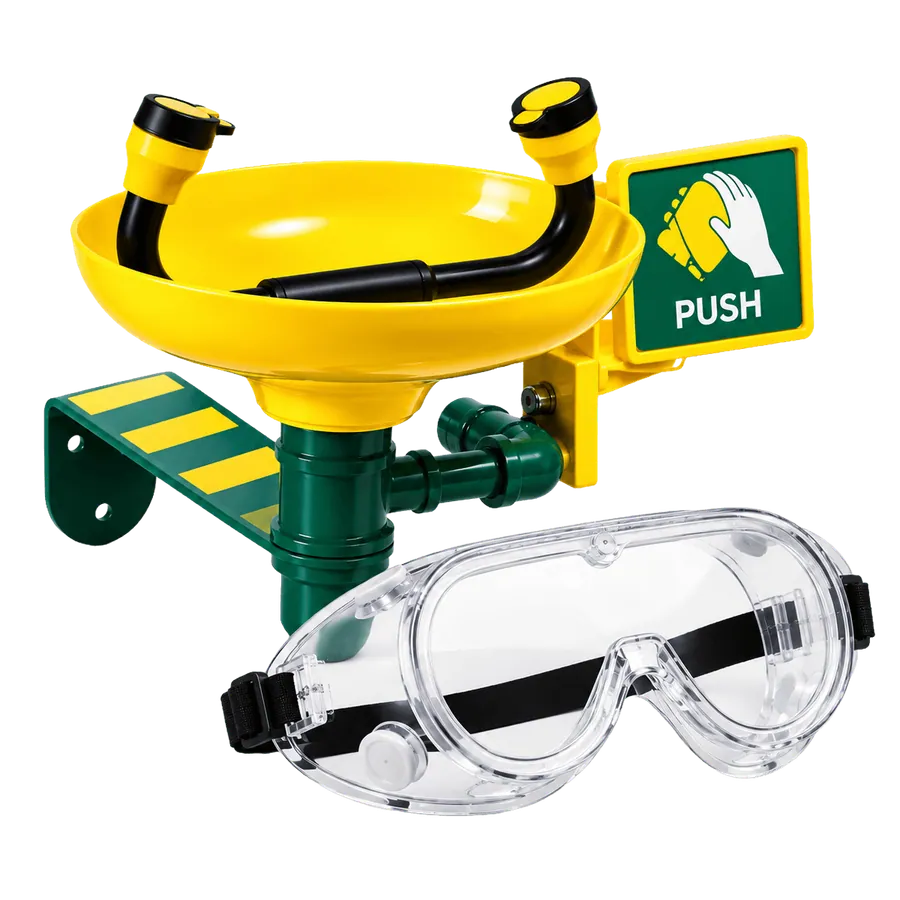
Emergency eyewash for labs, battery rooms and chemical areas.
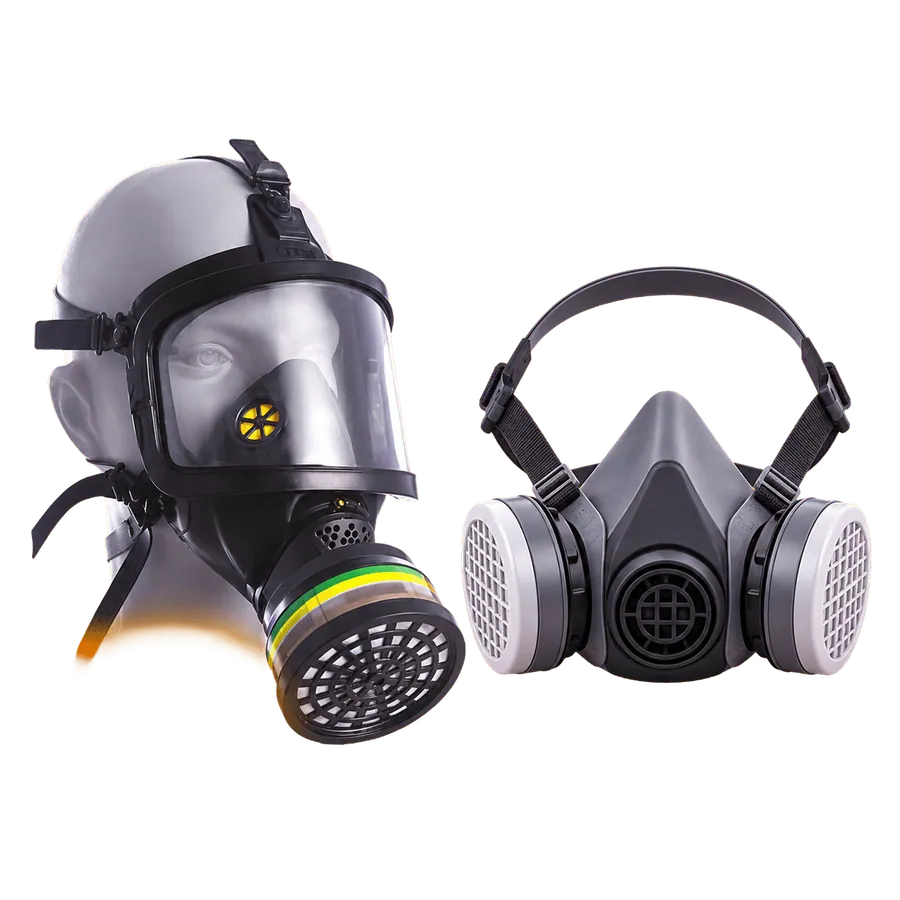
Reusable half masks and filters for dust, vapours and gases.
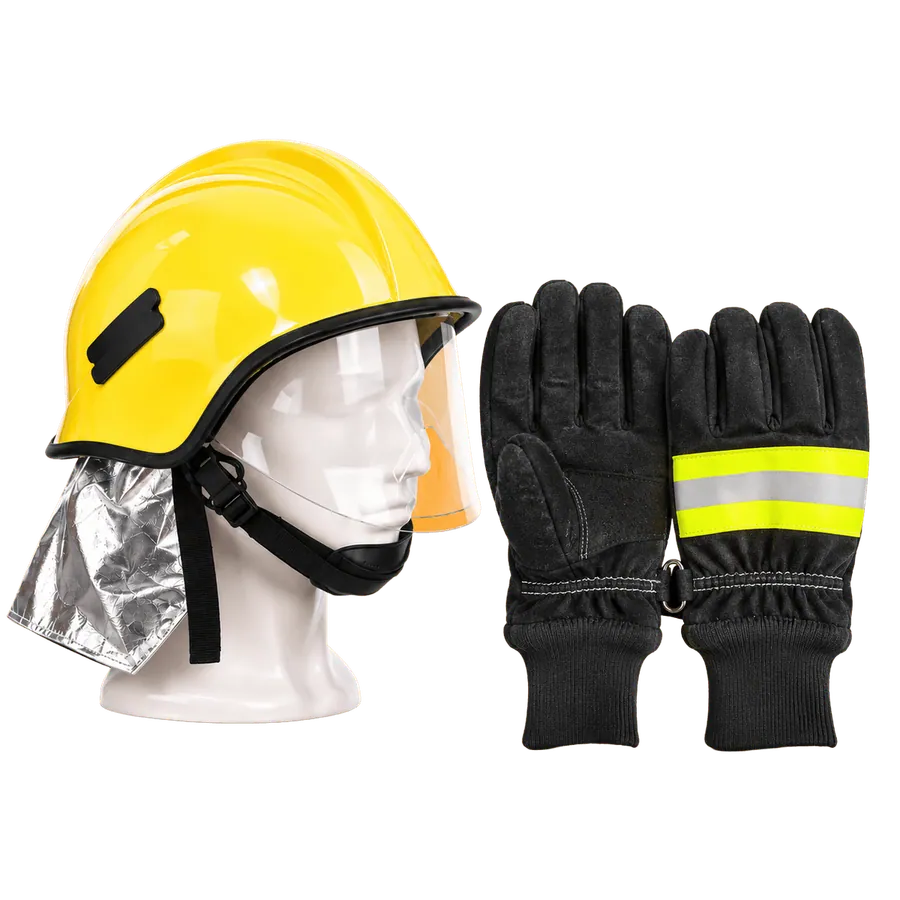
Fire-fighting gloves and site fire-safety gear.
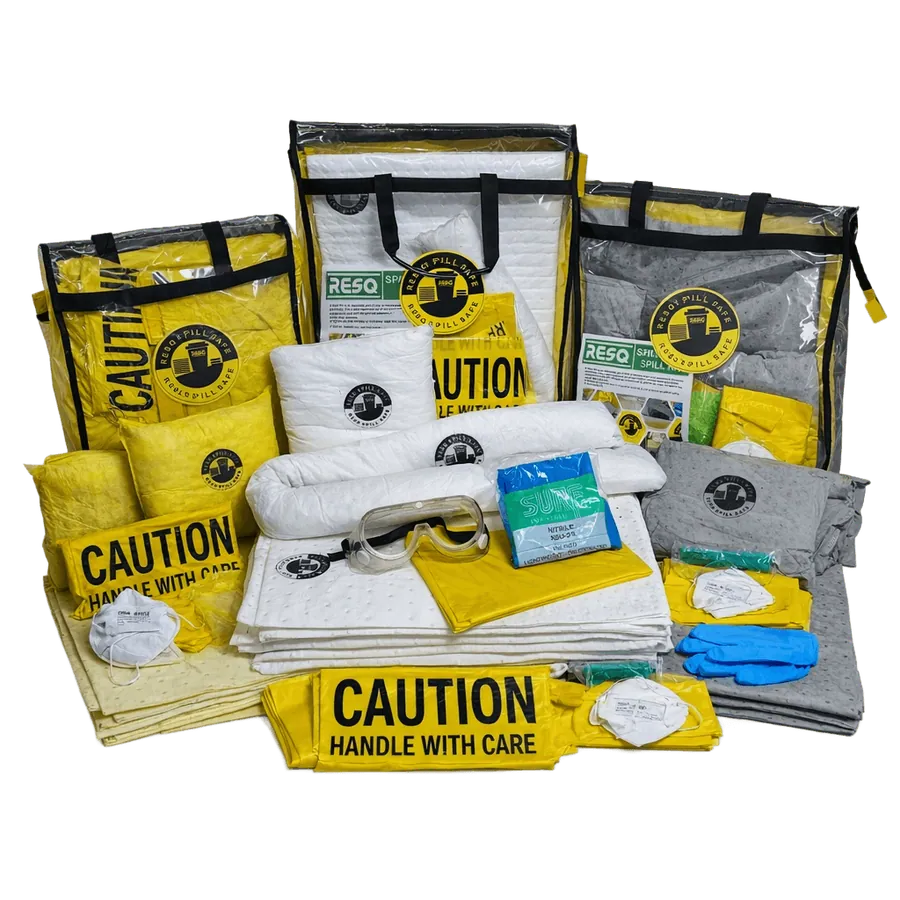
Kits and absorbents for chemical and oil spills. Call for current stock.
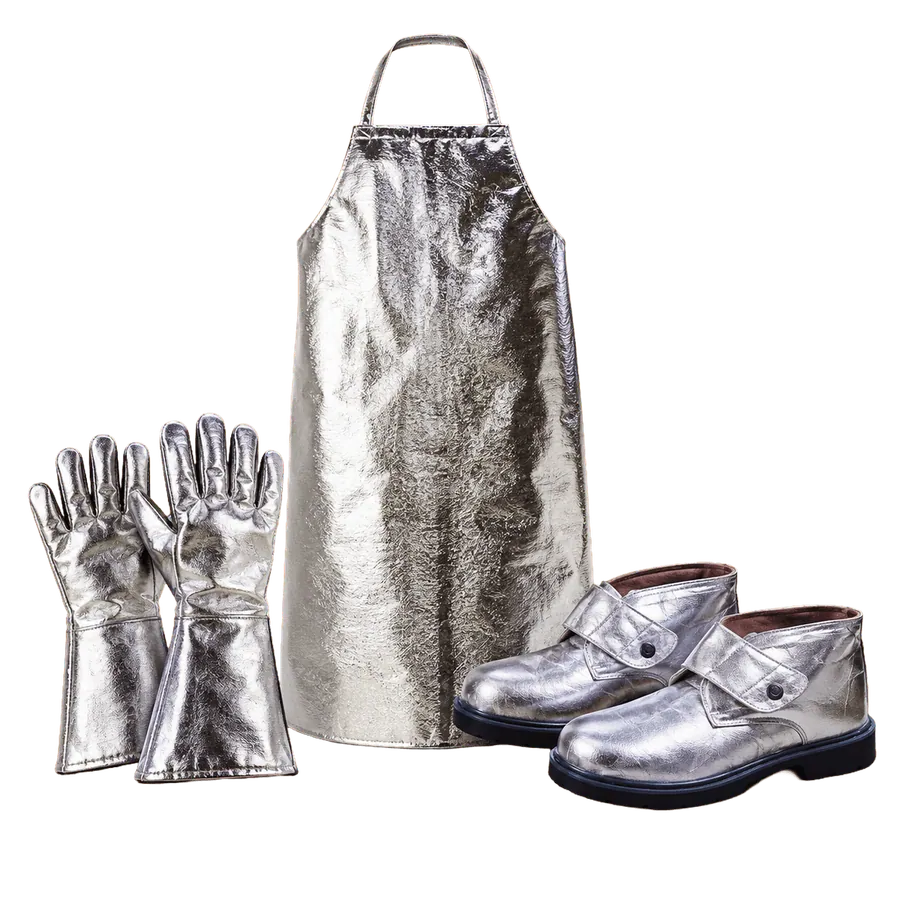
Heat-resistant gear for foundries and hot work. Call for current stock.
Real products, real photos. Prices and stock change, so check the store for both.
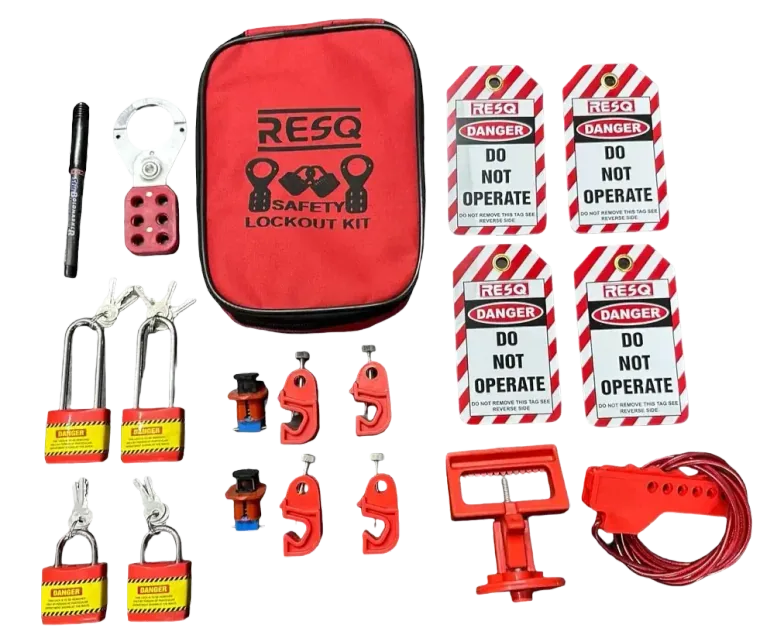
RESQ · Lockout / Tagout
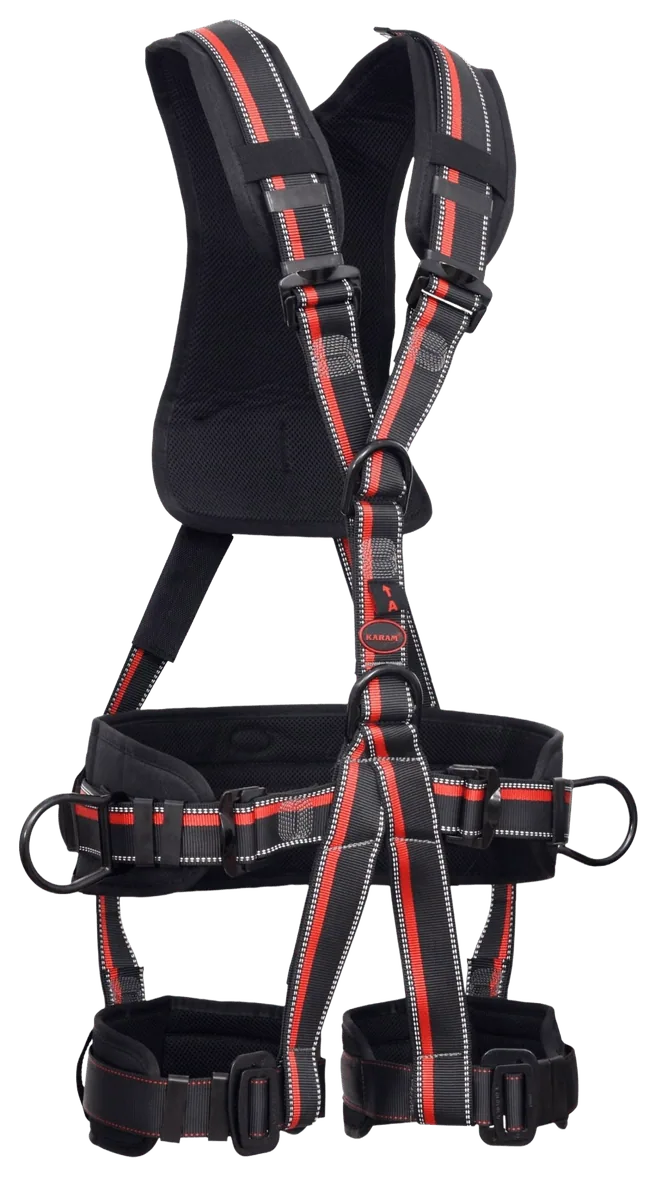
Karam · Fall Protection
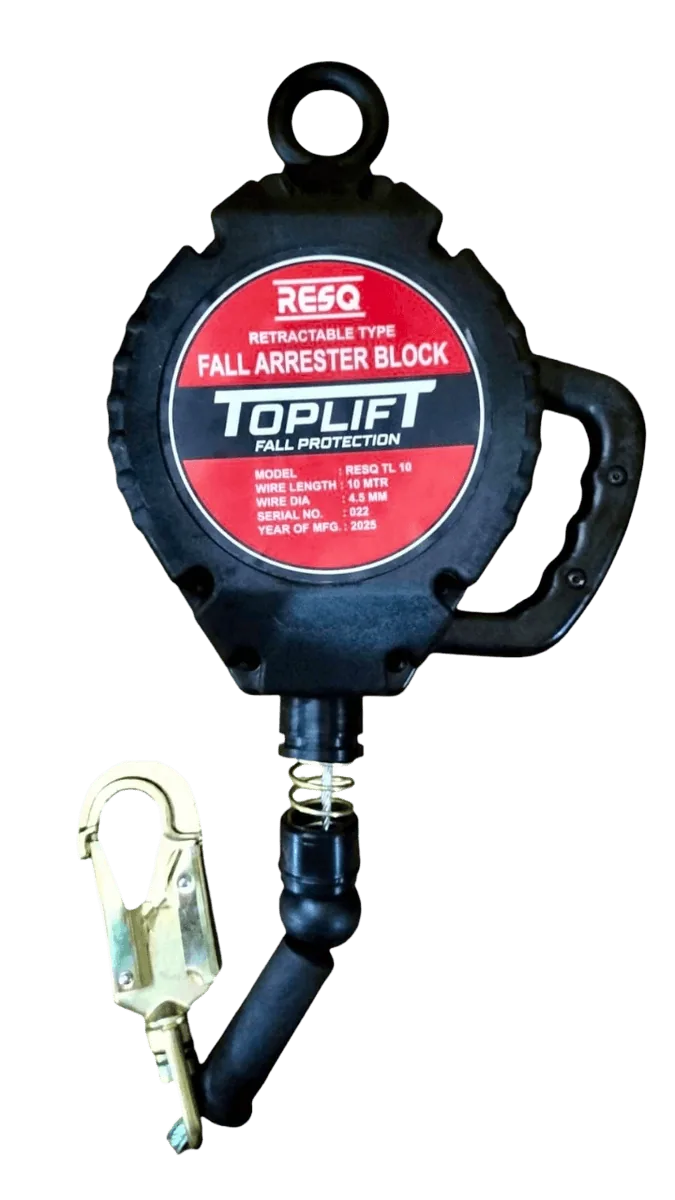
RESQ · Fall Protection
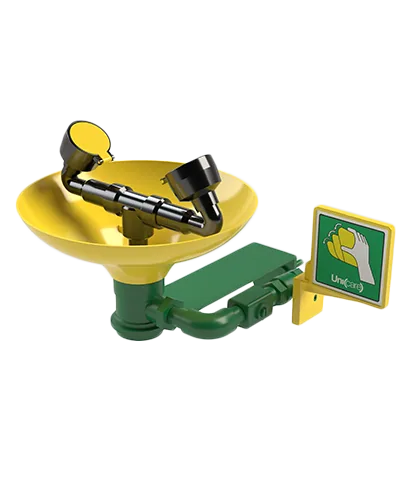
Unicare · Eye Protection
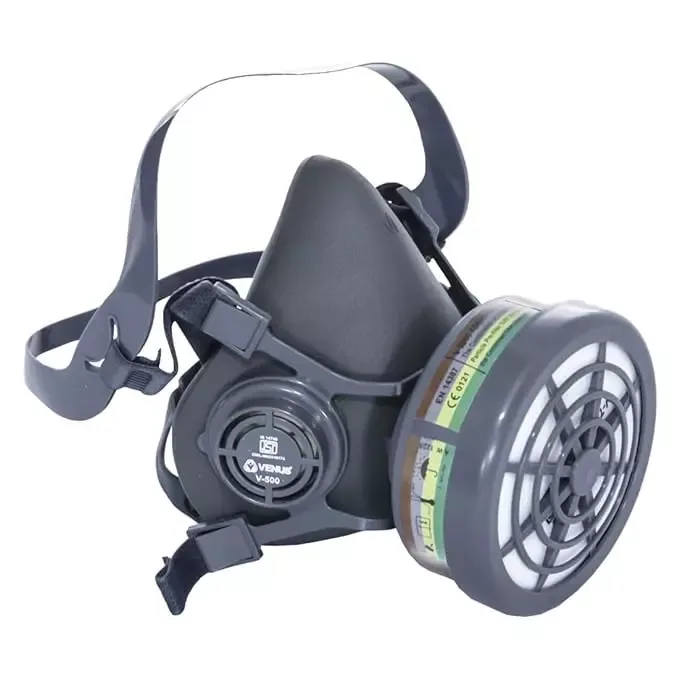
Venus · Respiratory Protection
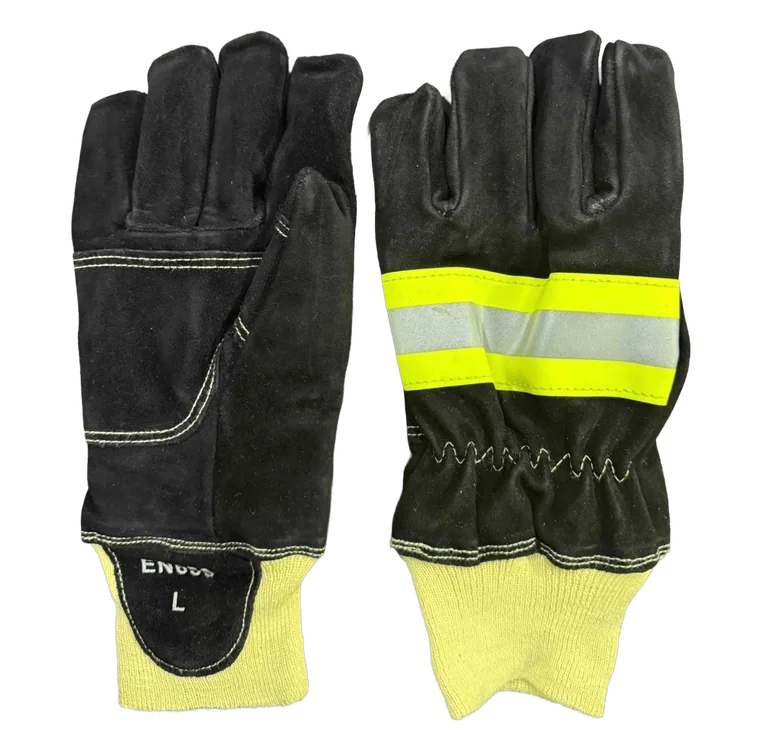
Unbranded · Fire Protection
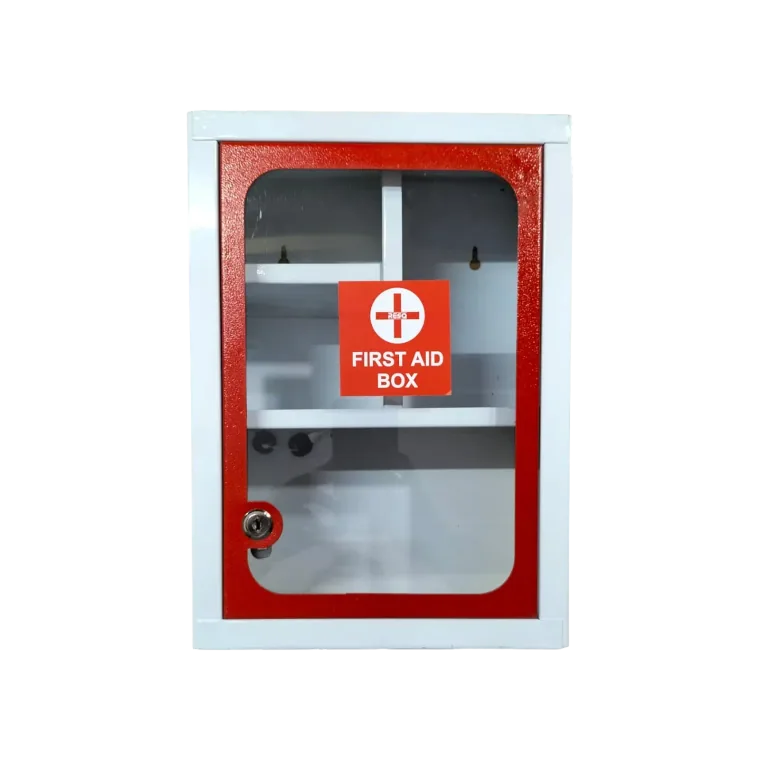
RESQ · General Equipments
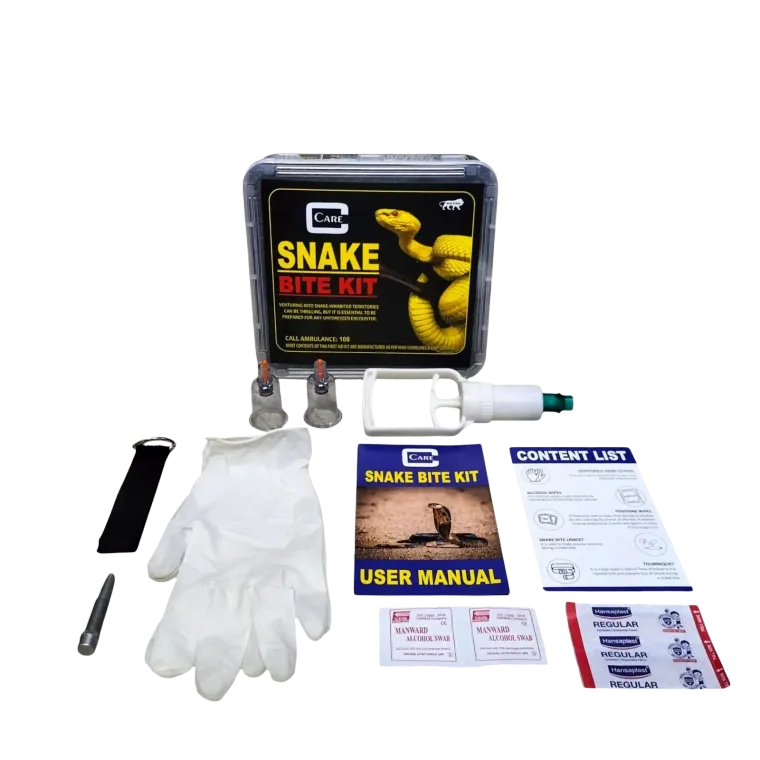
Care · General Equipments
Brands we stock or work with





05 / How buying works
This is not a mockup. This is the path a signed-in buyer takes through the live store right now.
It works for a single box and for a small bulk order. Large quantities still go through a conversation, because pricing and logistics need a human.
Browse a category or an industry, or search by product name, SKU, brand or certification. The catalogue is small, so search is a shortcut rather than a maze.
Product pages explain what the item is, what is in the box, and the specifications that matter. Where a certificate is on file, it is listed. Where it is not, I would rather say nothing.
Quantities start at the minimum order quantity for that product. The cart is stored in the browser, so it survives a refresh but is not yet synced across devices.
An email or phone number gets a six-digit code. There is no password to remember. Signing in is required before checkout so the order has an owner.
Pick a saved address or enter a new one, then add a separate billing address and GSTIN if the buyer needs it. Up to five addresses can be saved.
UPI, card and netbanking run through Cashfree's hosted checkout. Pay Later places the order without an online payment, and it ships once the payment is settled.
Orders appear in the account with their current status. Status moves from pending to confirmed, processing, shipped and delivered, with cancellation as the exit.
Browse, search, cart, OTP sign-in, saved addresses, GST billing, Cashfree payments, Pay Later, order history and product feedback all work. Bulk pricing is quoted by hand. It is not an automated tier on the site yet.
06 / The business model
The first two lines are how the business earns today. The rest are options, not revenue.
A marketplace can look elegant on a slide and still lose money on every order. I would rather keep the trading business healthy and add platform revenue only when the volume supports it.
The storefront can serve a buyer in Faridabad or Coimbatore from the same catalogue. The cost of the next order is mostly product and courier, not software. That is the shape of a business that can scale without opening a branch in every city.
No revenue, order volume, customer count or growth figure is shown here. I do not have verified numbers I would be comfortable publishing, and a case study should not need invented ones.
07 / Building it
I built the storefront and the API. The stack is modern, but the interesting decisions were about trust and state, not frameworks.
A marketplace is mostly a set of promises: the price is the price, the payment counted once, the invoice has the right GSTIN, and the order status is true. Software has to keep those promises even when a webhook arrives late or a buyer closes the tab.
Storefront
Next.js 16, React 19, TypeScript, Tailwind CSS
Hosting
Cloudflare Workers, built with vinext
API
Hono on Node.js, Docker behind Caddy on a VPS
Data
Supabase Postgres, Prisma 8 (release candidate)
Commerce
Cashfree, WhatsApp Cloud API, Resend
Browser
Catalogue, cart and checkout. Holds no secrets and never decides the price.
Cloudflare
Next.js runs on Cloudflare Workers. Every push to main can deploy it.
VPS
Hono handles auth, orders and payments. Docker behind Caddy, with the secrets.
Supabase
Users, addresses, order snapshots and payment attempts live here.
The browser talks to the storefront on Cloudflare. The storefront talks to the API over HTTPS with an HttpOnly session cookie. Only the API holds secrets and talks to Postgres and Cashfree.
Products live in a typed TypeScript catalogue inside a shared workspace package. The storefront and the API import the same file. The price shown and the price charged cannot drift apart because they come from one source.
The cart is only localStorage. At checkout the API resolves every line against the catalogue, recalculates GST per line in paise, adds shipping, and snapshots the delivery, billing and GST details onto the order. The browser cannot set its own total.
Cashfree’s hosted checkout handles UPI, cards and netbanking. The webhook and the return page both reconcile the payment, and both are idempotent. A duplicate webhook does not create a second payment. Pay Later creates an unpaid order on purpose.
A six-digit code is hashed, expires in five minutes and allows five attempts. Per-recipient limits cap how often a code can be sent. Delivery runs through the WhatsApp Cloud API or email, and the session lives in an HttpOnly cookie.
The frontend runs on Cloudflare Workers and holds no secrets. The API runs in Docker behind Caddy on a VPS, and the database is Supabase Postgres. A frontend push can deploy without touching the API.
Code can be fixed in an afternoon. Bad product data breaks search, checkout and trust at the same time. Deciding what to list, what to claim and what to leave out has been slower and more valuable than any UI work.
Not built yet
These are on the roadmap. None of them are live today.
08 / What’s next
The plan is sequential. Each stage depends on the one before it, which is why the roadmap is short.
Now
Earn the right to grow. More SKUs inside the six stocked categories. Better specifications and documents. Stock accuracy that people can trust. Faster quotes. Search that understands a buyer's words.
Next
Bulk price breaks, quote requests, reorder from history, saved lists, team accounts and a supplier onboarding flow. The goal is to make the second order easier than the first.
Later
A multi-seller marketplace with commissions, approval workflows, budgets, ERP or API integrations, and partners for logistics and finance. This is the long bet, not the current product.
These are plans, not shipped features. Anything already working is described in the sections above.
09 / Founder perspective

Prateek Kukreja
Founder, Safentity
I did not grow up wanting to sell safety equipment. I wanted to build products. I still do.
I came to this category sideways. I saw a business that already had demand, real customers and almost no software. That is rare. Most startup ideas need you to create a habit. Here, the habit exists. The buyer already calls someone. The question is whether that call can become a better experience.
I like that. It is unglamorous. The feedback is immediate. Either the harness reaches the site before the inspection or it does not.
It has also made me a better builder. In software, a bug is an inconvenience. Here, a wrong filter or a missing invoice can stop a shift. That changes how I think about detail.
The first year has been a lesson in the distance between a website and a business. A website can show a product. A business has to know whether it is in stock, what filter fits the mask, whether the invoice will clear accounts, and who picks up when the courier calls.
I have made mistakes. I have spent time polishing screens nobody asked for while stock and invoices waited. The feedback has been useful in the way cold water is useful.
What keeps me interested is the repeat nature of it. A site does not buy one harness. It buys harnesses, gloves, eyewash refills and first aid stock, again and again. If the first order goes well, the second one is easier.
I do not know yet how big this gets. I know the problem is real, the category is essential, and the current standard is lower than it should be. I am building from there.
A website can show a product. A business has to know whether it is in stock and who picks up when the courier calls.
The store is live
See the products, specs and checkout at safentity.in. If you run a factory or a project site and need a quote, call or email. If you want to talk about the business, my inbox is open.
Notes
The legal and standards links below are background, not claims about Safentity. Product counts, category counts and features were checked against the live catalogue and codebase in November 2026.
The primary Indian law on worker safety and welfare in factories.
Directorate General Factory Advice Service and Labour Institutes, under the Ministry of Labour and Employment.
Indian standards for products such as helmets, harnesses and respirators.
The public procurement channel many institutional buyers use.
The live store, catalogue and checkout.
Written and built by Prateek Kukreja. Last checked November 2026.